EN
 PT
 RU
 ZH
 ES
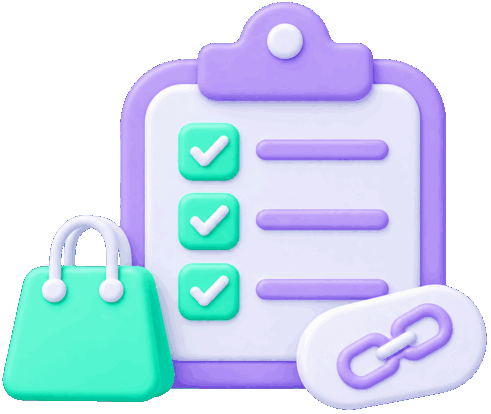
Black Friday and Cyber Monday compress a significant amount of annual revenue into a few days. For affiliate networks and ecommerce brands, that creates a double-edged opportunity. Traffic and orders can jump sharply, but so can broken links, tracking gaps, over-cap offers, fraud attempts and payout disputes.
A tracking problem that costs a little in March can cost much more on the busiest shopping day of the year. Black Friday 2026 falls on 27 November, making advance preparation essential. This checklist explains what to test, what to configure and what to monitor so you can trust your campaign data when peak traffic arrives.
Why Peak Season Stresses Affiliate Tracking
Several conditions change at the same time during Black Friday and Cyber Monday campaigns:
- Volume spikes: Servers, redirects and postbacks may need to handle many times their usual load.
- Offers change quickly: Prices, coupon codes and landing pages are often updated at short notice.
- New traffic sources appear: Partners add sources, and seasonal affiliates join programs, creating traffic that may not have been vetted previously.
- Fraud follows money: Coupon abuse, fake orders and stolen-cookie tactics tend to increase when commissions are high. This is a general affiliate marketing pattern rather than a figure that can be quantified here.
- Returns and cancellations arrive later: Many sale orders are returned or cancelled after the event, requiring subsequent commission adjustments.
Four Weeks Before: Build the Foundations
Audit Every Live Tracking Link
Test each offer link from beginning to end. Verify the click, redirect, landing page, add-to-cart process, purchase and recorded conversion. Repeat the tests on desktop and mobile devices and across different browsers.
Use suitable link checking tools to verify that redirects work as expected.
Confirm Your Tracking Method
Decide how each advertiser will report sales. Common options include a conversion pixel on the order confirmation page, a server-to-server postback or an API. Browser privacy features can block pixels, so server-side methods are generally more dependable for peak traffic.
Review the differences between conversion pixels and Conversion API tracking, and confirm your understanding of postback tracking before the campaign starts.
Use a Custom Tracking Domain
A branded tracking domain on your own domain can reduce the chance of links being blocked or flagged. It can also build trust with partners and customers. Follow the process for setting up and securing a custom tracking domain.
Test Order Values and Currencies
Place real test orders using different basket values, discount codes, shipping charges and currencies. Check that the tracked amount matches the commission base, whether commissions are calculated before tax, after discounts or without shipping charges.
Value and currency mismatches are common causes of affiliate payout disputes, so resolve them before traffic increases.
Two Weeks Before: Review Offers, Caps and Routing
Review Commission Structures
Decide whether commissions during the sale will differ from normal rates. Communicate every change to partners in writing. If you are adjusting the payment model, review the differences between CPA and CPS affiliate marketing models.
Set Caps and Fallbacks
Limited stock and sale budgets make caps especially important. Set appropriate caps, decide where over-cap traffic should go and test the fallback route. Document the applicable rules using this guide to affiliate offer caps.
Prepare Coupon and Deal Handling
If coupon partners participate in your campaigns, decide how coupon codes will be matched to partners and how overlapping claims will be resolved. Write down the rule and share it with every relevant partner before the sale.
Check Geographic and Device Targeting
Confirm that geographic and device rules still match the offer requirements. This prevents traffic from being sent to regions where the sale does not apply. Review these geo-targeting techniques for affiliate traffic as part of the process.
One Week Before: Focus on Fraud and Quality
Vet New Partners
Approve seasonal partners carefully and begin with limited caps. Ask each partner to identify their traffic sources, then review early results before increasing limits.
Review Fraud Rules
Check the rules used to detect duplicate orders, unusual conversion speed, suspicious IP and device patterns, and abnormal approval rates. Fraud tools do not replace manual review, but they can identify activity that requires investigation.
Teams should understand the common types of fraud in affiliate marketing and how fraud detection software can support their review process.
Agree on Reconciliation Rules
Decide how and when tracked conversions will be reconciled with advertiser records. Document how returns will be handled and when payouts will be released. Explain the rules to partners before the campaign so there are no surprises later.
Understanding common affiliate tracking discrepancies can help teams identify where reporting gaps may appear.
During the Sale: What to Monitor
Use a short, consistent monitoring routine instead of trying to check everything continuously.
- Hourly performance during peak windows: Review clicks, conversions and conversion rates for leading offers and partners. A sudden drop in conversions while clicks remain steady may indicate a broken pixel, postback or landing page.
- Cap usage: Set alerts at around 80% so limits can be raised or traffic can be routed elsewhere.
- Partner anomalies: Watch for unusual conversion rates, extremely fast conversions or one source suddenly generating most of the volume.
- Advertiser confirmation: At the end of each day, compare tracked orders with the advertiser’s own count. Small differences are normal, but large discrepancies require investigation.
- Support requests: Partners will ask whether conversions are being tracked. A short status update can prevent repeated messages.
After the Sale: Reconcile and Pay
- Export a complete conversion report for the sale period.
- Compare the report with the advertiser’s order data, allowing for cancellations and returns.
- Reverse or reject commissions for returned orders according to the agreed terms.
- Pay partners on the agreed schedule and share a summary of tracked, approved and rejected conversions. Affiliate payout management and automation can reduce manual errors.
- Review the strongest partners, best-performing offers and weak points in the tracking process. Record notes for the following year.
One-Page Holiday Affiliate Campaign Checklist
- Test all links on desktop and mobile devices.
- Confirm server-side tracking through a postback or API.
- Make sure the custom tracking domain is active.
- Verify that test orders match tracked values and currencies.
- Share sale-period commission rules with partners.
- Set and test caps and fallback routes.
- Write down coupon attribution rules.
- Vet new partners and apply starting caps.
- Review fraud detection rules.
- Configure alerts for traffic drops and cap usage.
- Agree on reconciliation and payout dates.
Frequently Asked Questions
When should I start preparing for Black Friday affiliate campaigns?
Four to six weeks before the sale is a sensible window for testing links, tracking and caps. This schedule leaves time to correct problems before traffic arrives.
Which tracking method is best for high-volume sales?
Server-side methods such as postbacks or APIs are generally more reliable than browser pixels alone because browsers can block or limit pixels.
How should I handle returns after Black Friday?
Decide the rule in advance. For example, you can establish a validation period before commissions become payable. Apply the chosen rule equally to every partner.
Do I need extra fraud protection during peak season?
It is wise to review fraud rules and monitor conversion patterns more closely because high commissions tend to attract abuse.
Get Your Tracking Ready with Offer18
Offer18 helps networks, agencies and ecommerce brands track clicks and conversions, manage partners, apply fraud rules and automate payouts from one platform. Start a free trial with Offer18 and test your Black Friday setup on a live offer before the sale begins.