EN
 PT
 RU
 ZH
 ES
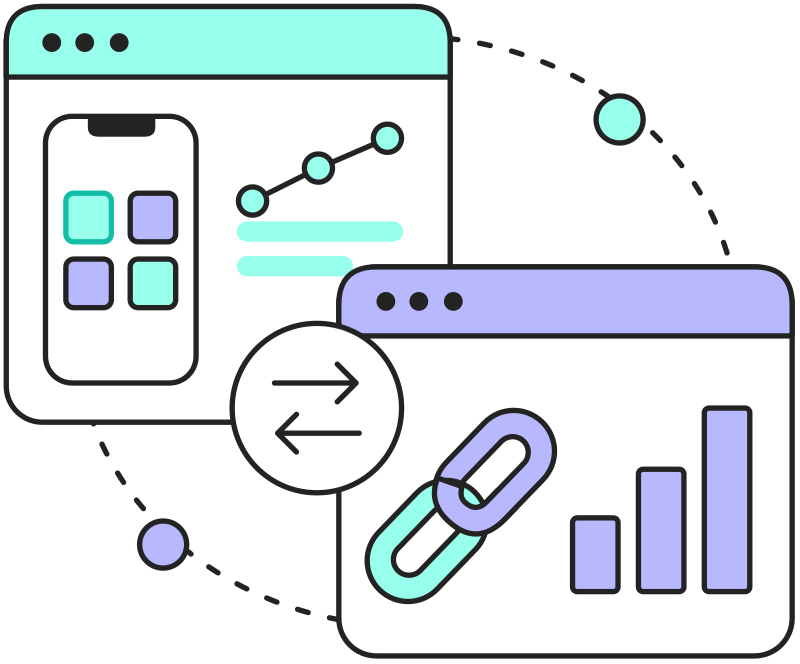
If you promote or sell mobile apps, you have probably heard two terms used almost interchangeably: mobile measurement partner (MMP) and affiliate tracking software. They overlap, and several vendors sell both. However, they were built to solve different problems. Choosing the wrong one can mean paying for tools you do not use or discovering measurement gaps only after a campaign has run.
This guide explains what each tool does, where they differ, when you need one or both, and what to check before committing. It is intended for app marketers, affiliate networks running install offers, and agencies managing app clients.
What an MMP Does
A mobile measurement partner is a neutral third party that attributes app installs and in-app events to the marketing source that drove them. An app developer integrates the MMP's SDK into the app. When a user installs and opens the app, the MMP matches that install to a click or impression from an ad network and records what the user does afterward.
Typical MMP functions include:
- Install attribution across multiple ad networks and channels
- In-app event tracking for actions such as registrations, purchases, and level completions
- Deep linking so users land on the appropriate screen
- Fraud detection for fake clicks, bot installs, and click injection
- Postbacks to ad networks so networks can optimize delivery
- Cohort and retention reporting
The MMP's role is to be the app owner's source of truth across all paid channels. A mobile attribution platform provides the measurement layer needed to understand which sources generated installs and valuable post-install activity.
What Affiliate Tracking Software Does
Affiliate tracking software manages relationships and payments between advertisers, affiliates, and networks. It tracks clicks and conversions by affiliate and offer, applies payout rules, enforces caps, routes traffic, handles billing, and gives each party access to reports through a dedicated panel.
Typical affiliate tracker functions include:
- Advertiser and affiliate management
- Click and conversion tracking through postbacks, pixels, and links
- Payout rules based on event, geography, or partner
- Caps and targeting rules
- Smart routing and offer management
- Invoicing and billing
- Fraud filtering at the affiliate and sub-ID level
The affiliate tracker's role is to run the commercial side of a performance program: who sent the traffic, what that traffic is worth, and who gets paid.
The Core Difference
An MMP answers: which marketing source drove this install, and what did the user do afterward?
An affiliate tracker answers: which partner is owed what for this conversion, and is the traffic within the agreed rules?
Both begin with a click and receive conversion signals, which is why they are often confused. The primary difference is the audience. An MMP serves the app owner's measurement needs, while an affiliate tracker supports the commercial relationship between advertisers, affiliates, and networks.
| MMP | Affiliate tracking software | |
|---|---|---|
| Main user | App owner or app marketing team | Network, agency, advertiser, or affiliate manager |
| Core job | Attribute installs and events to sources | Manage partners, payouts, caps, and billing |
| Data collection | SDK in the app plus ad network integrations | Links, postbacks, pixels, and an optional SDK |
| Typical output | Attribution, retention, and ROI reports | Partner reports, payout statements, and invoices |
| Payment logic | Not the main purpose | Central feature |
When You Need an MMP
An MMP is the appropriate core tool when:
- You own the app, spend across several ad networks, and want one neutral attribution source.
- You need cohort, retention, or lifetime value reporting by channel.
- Ad networks require attribution postbacks from an MMP to optimize campaigns.
- You need deep linking and re-engagement measurement.
When You Need Affiliate Tracking Software
An affiliate tracker is the appropriate core tool when:
- You run a network or program with many affiliates and need to pay them accurately.
- You promote offers for several advertisers, including app install or CPI offers.
- You need payout tiers, caps, routing rules, white-label panels, and billing.
- You want partner-level and sub-ID-level fraud controls.
When You Need Both
Many real-world setups use both tools. An advertiser's app may use an MMP to measure installs and events across every channel, while the affiliate network passes affiliate clicks and receives the MMP's conversion postbacks through its tracker.
Similarly, an app marketer may run paid ads on ad networks while also operating a partner program. In that situation, the MMP measures all acquisition sources, while the affiliate tracker manages partner activity and payouts.
In this model, the MMP is the measurement layer on the advertiser's side, and the affiliate platform is the commercial layer on the network's side. The bridge between them is the postback. The MMP sends a postback when an install or event is attributed, and the affiliate tracker records the conversion against the correct affiliate.
Where an Affiliate Platform With Mobile Attribution Fits
Some affiliate platforms include attribution features so smaller teams do not need to work with two separate vendors. Offer18's mobile attribution software tracks installs and in-app events, supports an Android SDK for tracking installs, events, and user behavior, and records click sources and sub-sources.
It sends installs and in-app events to ad networks through integration templates, includes deep linking, and applies fraud prevention measures such as real-time monitoring and device fingerprinting before conversions are included in reports and partner payouts. It can also connect with MMPs when an advertiser already uses one.
This setup can suit networks and smaller app teams that want attribution and partner management in one place. Large app publishers with complex multi-channel requirements, or advertisers that require a specific MMP, will often retain a dedicated MMP as well. Check the platform documentation for the operating systems, SDKs, and integrations you need before committing.
A Note on iOS
iOS privacy changes limit the amount of user-level data available for attribution. Apple provides privacy-preserving attribution frameworks, and MMPs and trackers differ in how they support them.
If iOS represents a large share of your installs, ask each vendor exactly what is supported, what data you will receive, and how those limitations affect reporting and payouts. The guide to how iOS 14 is changing mobile advertising provides additional background.
Questions to Ask Before You Choose
- Who owns the app, and who is paying for measurement? If you are an affiliate network, the advertiser may already have an MMP.
- Which operating systems matter? Verify SDK and attribution support for every required operating system.
- Which postbacks do my traffic sources and advertisers require? Make sure the tool can send and receive them.
- Do I need payouts and billing, or only measurement? If you pay partners, you need an affiliate tracking layer.
- How is fraud handled? Ask where the checks take place and whether they run before payout.
- What is the real cost? Include event volumes, SDK or seat fees, and add-ons.
Common Mistakes
Using an MMP as a Payment System
An MMP can tell you what drove an install, but it is not designed to apply payout rules, caps, and billing across dozens of affiliates. Networks that try to manage payouts from MMP exports can end up relying on spreadsheets and dealing with disputes.
Using an Affiliate Tracker Without In-App Events
Install-only tracking misses what happens after the installation. If the advertiser pays for a registration or purchase, you need in-app event postbacks rather than install data alone. The guide to postback tracking explains this tracking method in more detail.
Not Testing the Postback Chain
The path from click to install, in-app event, postback, and payout includes several handoffs. Test the complete chain with a real device before sending traffic. During the first week, compare your counts daily with the advertiser's reports.
Ignoring Install Fraud
Click spamming, click injection, and bot installs can inflate reported numbers. Run fraud checks before payment and review the time between click and install, as unusually short or long gaps often indicate a problem. Affiliate platforms can also use affiliate fraud detection software to apply checks before payouts are finalized.
Frequently Asked Questions
What is the difference between an MMP and an affiliate tracking platform?
An MMP attributes app installs and events to marketing sources for the app owner. An affiliate tracking platform manages partners, payouts, caps, and billing for networks, agencies, and advertisers. Some platforms provide features from both categories.
Do I need an MMP if I run an affiliate network?
Not always. If advertisers use their own MMP, your network can pass clicks and receive postbacks. If advertisers do not use one, a platform with built-in mobile attribution may cover your needs. Confirm with each advertiser which tool will be treated as the source of truth.
Can affiliate tracking software track app installs?
Yes. Many platforms track installs through postbacks or an SDK. Check whether in-app events, deep linking, and fraud controls are included, and confirm that the required operating systems are supported.
What is an in-app event postback?
An in-app event postback is a server-to-server message sent when a user completes an action in the app, such as a registration or purchase. It allows the tracker to credit and pay the correct affiliate for post-install activity.
How do I choose between an MMP and an affiliate tracker for CPI offers?
If you are paying and managing affiliates, you need an affiliate tracker. If you are measuring multi-channel app performance as the app owner, you need an MMP. When both situations apply, connect the two systems with postbacks.
Match the Tool to the Job
The simplest way to decide is to ask who needs the answer. If the app owner needs to know which channels drive valuable users, that is an MMP's job. If a network or marketer needs to manage partners and pay them correctly, that is an affiliate tracker's job. When both are true, connect the platforms with clean postbacks and test the complete chain before scaling.
Start Your 14-Day Free Trial
Create an app install campaign in Offer18, send a test install, and confirm the postback from end to end. No credit card is required. Start your free trial.