EN
 PT
 RU
 ZH
 ES
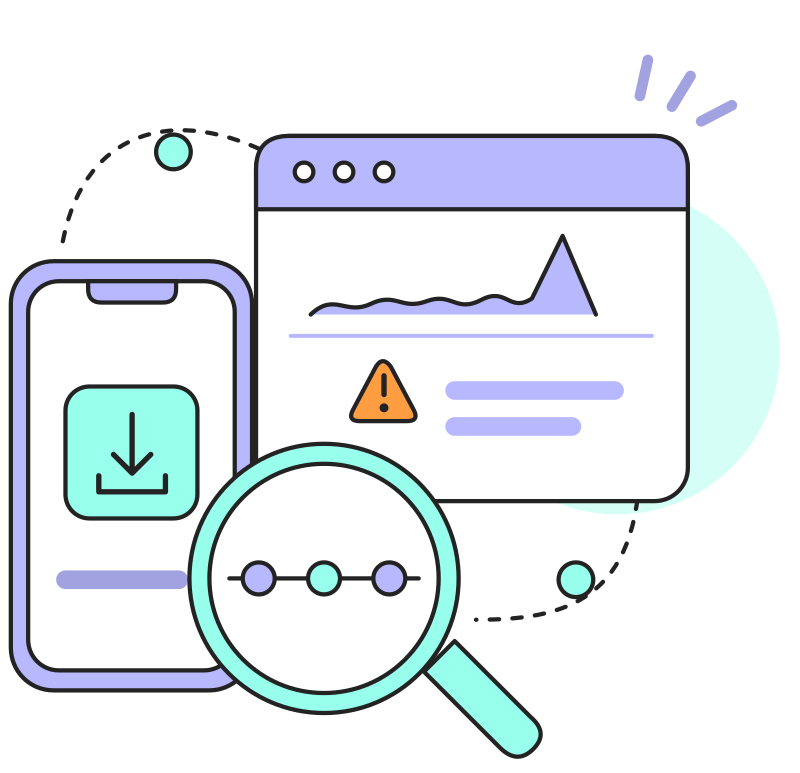
A mobile app advertiser looks at the weekly report and sees installs climbing from one affiliate source. Cost per install looks excellent. Then the retention report arrives: almost none of those users opened the app a second time. The installs were counted, the payout was approved, and the value never existed.
This is the everyday shape of mobile install fraud. It is not exotic, and it does not require sophisticated tooling to catch. It requires knowing which patterns to look for and having tracking that records enough data to reveal them.
This guide explains the main fraud types in mobile affiliate and user-acquisition campaigns, the signals that expose them, and the rules you can set up to stop paying for them.
Why Install Fraud Hides So Well in Affiliate Campaigns
Affiliate and network traffic is attractive to fraudsters for a structural reason: payouts are tied to a measurable event, and that event is often an install. If a bad actor can make a tracker believe an install belongs to them, they get paid.
Three factors make this harder to spot than it sounds.
Attribution Rewards the Last Click
Most mobile attribution is based on the last click. Anything that inserts a click close to an install can steal credit, even if the user never saw an ad.
Volume Looks Like Success
Fraud often arrives as a scaling story: more installs, lower costs and a seemingly successful publisher. Teams that only watch install counts may celebrate before checking user quality.
Data Is Split Across Systems
Clicks may live in one place, installs in another and in-app events in a third. Patterns that only become visible when these records are joined can remain hidden.
The Main Types of Mobile Install Fraud
Click Injection
On Android, a malicious app on the user's device can detect that another app is being downloaded and fire a click just before the install completes. The attribution system then credits the fraudulent source. The telltale sign is an extremely short gap between the click and the install.
Click Spamming or Click Flooding
A publisher sends large numbers of clicks, hoping that some of them occur before genuine installs from organic users. Because the user never intentionally clicked, the signature is a very low click-to-install conversion rate combined with unusually high click volume.
Fake Installs and Device Farms
These installs are generated by emulators, scripted devices or real hardware used in bulk. They tend to show repeated device characteristics, unusual geographies and almost no meaningful in-app behaviour.
Install Hijacking and Incentivised Misattribution
Traffic that was not shown as an ad, or incentivised traffic passed off as a different source type, can quietly take credit for installs that would have happened anyway.
Bots and Low-Quality Pools
Automated traffic and purchased install pools may generate the initial event but never use the app after the first open.
Signals That Expose Install Fraud
You do not need a single magic indicator. Instead, look for several weak signals that point in the same direction.
Click-to-Install Time
Genuine installs show a spread. Some users install within minutes, while others do so hours later. Fraud often clusters at an implausible extreme.
A large share of installs occurring within a few seconds of the click suggests click injection. A flat pattern with very long delays across many installs can suggest click spamming or fabricated data. Review the full click-to-install time distribution rather than relying only on the average.
Click-to-Install Conversion Rate
If a source delivers high click volume but converts at a rate far below your normal baseline, ask whether those clicks were deliberate.
Retention and In-App Event Rates
Compare day-1 and day-7 retention across sources, along with downstream events such as registration or purchase. Fraudulent sources typically collapse when measured against these quality indicators.
Device and Network Patterns
Many installs from the same IP range, device model and operating system version deserve closer review. The same applies to traffic coming from data-centre networks.
Geography Mismatch
If a campaign targets one country but installs arrive from another, the traffic may have been misrouted or invented.
Sub-ID Concentration
When almost all bad installs trace back to one or two sub-publishers, the problem is source-specific and fixable. The guide to sub-affiliate network management explains how to structure sub-IDs so these patterns are visible.
Set Up Tracking That Catches Fraud
Detection depends on what you record. Before launching a campaign, make sure your tracking setup includes:
- Click and install timestamps: Store both so click-to-install time can be calculated for every source and sub-ID.
- Post-install postbacks: Track events beyond the install itself so you can measure quality. Learn more about postback tracking.
- Device and IP data: Capture these details on the click and match them to the install where your attribution method allows.
- Caps and payout rules: Reward events deeper in the funnel when working with sources you do not yet trust.
- A fixed validation window: Wait before approving payouts so late-arriving retention and event data can influence the decision.
Offer18's affiliate fraud detection software and mobile attribution platform work from this kind of click-level data. The overview of affiliate marketing fraud covers the wider fraud categories.
A Practical Response Playbook
When a source looks suspicious, avoid both ignoring the problem and blocking the source on instinct. Use a consistent review process:
- Isolate the responsible source and sub-ID, then compare its metrics with your baseline.
- Hold payouts for the affected period while you investigate.
- Share the evidence with the publisher. Some problems originate from an unaware sub-publisher rather than deliberate action by the main source.
- Apply suitable rules, including minimum click-to-install time thresholds, geographic restrictions, caps or payouts based on post-install events.
- Block the source if the pattern continues, and document the reason.
- Review your controls monthly. Fraud methods change, and last quarter's rules will not catch every new variant.
Frequently Asked Questions
What Is Click Injection?
Click injection is a fraud method mainly seen on Android. A malicious app fires a click just before an install completes, allowing the fraudster to claim credit for an install they did not drive.
What Is the Difference Between Click Injection and Click Spamming?
Click injection places a click immediately before an install, producing very short click-to-install times. Click spamming floods the system with clicks in the hope that some will precede organic installs, producing low conversion rates and often long, scattered install delays.
Can Mobile Install Fraud Be Fully Eliminated?
No. The aim is to make fraud unprofitable and catch it quickly through good data capture, sensible payout structures and regular review.
Should I Pay Only for Post-Install Events?
For sources you do not yet trust, paying for registration or purchase events can reduce exposure. Many advertisers begin there and move to install-based payouts as trust develops.
How Long Should I Wait Before Approving Payouts?
Wait long enough for quality signals such as retention and in-app events to appear. The right validation window depends on your app, so base it on how quickly genuine users complete their first valuable action.
Pay for Users, Not Just Installs
Install counts are the easiest numbers to inflate and the hardest to trust on their own. Record click and install timing, measure what happens after the install, and tie payouts to quality.
To see these signals in your campaigns, start a free trial of Offer18 and run one source with click-level tracking and post-install postbacks for a fortnight.